Secure Computing SG550 Instrukcja Użytkownika Strona 94: VLANs
 1
 2
 3
 4
 5
 6
 7
 8
 9
 10
 11
 12
 13
 14
 15
 16
 17
 18
 19
 20
 21
 22
 23
 24
 25
 26
 27
 28
 29
 30
 31
 32
 33
 34
 35
 36
 37
 38
 39
 40
 41
 42
 43
 44
 45
 46
 47
 48
 49
 50
 51
 52
 53
 54
 55
 56
 57
 58
 59
 60
 61
 62
 63
 64
 65
 66
 67
 68
 69
 70
 71
 72
 73
 74
 75
 76
 77
 78
 79
 80
 81
 82
 83
 84
 85
 86
 87
 88
 89
 90
 91
 92
 93
 94
 95
 96
 97
 98
 99
 100
 101
 102
 103
 104
 105
 106
 107
 108
 109
 110
 111
 112
 113
 114
 115
 116
 117
 118
 119
 120
 121
 122
 123
 124
 125
 126
 127
 128
 129
 130
 131
 132
 133
 134
 135
 136
 137
 138
 139
 140
 141
 142
 143
 144
 145
 146
 147
 148
 149
 150
 151
 152
 153
 154
 155
 156
 157
 158
 159
 160
 161
 162
 163
 164
 165
 166
 167
 168
 169
 170
 171
 172
 173
 174
 175
 176
 177
 178
 179
 180
 181
 182
 183
 184
 185
 186
 187
 188
 189
 190
 191
 192
 193
 194
 195
 196
 197
 198
 199
 200
 201
 202
 203
 204
 205
 206
 207
 208
 209
 210
 211
 212
 213
 214
 215
 216
 217
 218
 219
 220
 221
 222
 223
 224
 225
 226
 227
 228
 229
 230
 231
 232
 233
 234
 235
 236
 237
 238
 239
 240
 241
 242
 243
 244
 245
 246
 247
 248
 249
 250
 251
 252
 253
 254
 255
 256
 257
 258
 259
 260
 261
 262
 263
 264
 265
 266
 267
 268
 269
 270
 271
 272
 273
 274
 275
 276
 277
 278
 279
 280
 281
 282
 283
 284
 285
 286
 287
 288
 289
 290
 291
 292
 293
 294
 295
 296
 297

Network Setup
90
A guide to bridging across an IPSec tunnel using GRE is provided in the section entitled
GRE over IPSec
in the
Virtual Private Networking
chapter.
VLANs
Note
VLANs are
not
supported by the SG300.
VLAN stands for virtual local area network. It is a method of creating multiple virtual
network interfaces using a single physical network interface.
Packets in a VLAN are simply Ethernet packets that have an extra 4 bytes immediately
after the Ethernet header. The format for these bytes is defined by the standard IEEE
802.1Q. Essentially, they provide for a VLAN ID and a priority. The VLAN ID is used to
distinguish each VLAN. A packet containing a VLAN header is called a
tagged
packet.
When a packet is routed out the VLAN interface, the VLAN header is inserted and then
the packet is sent out on the underlying physical interface. When a packet is received on
the physical interface, it is checked for a VLAN header. If present, the router makes it
appear as though the packet arrived on the corresponding VLAN interface.
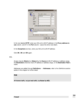
Once added, VLAN interfaces can be configured through the
Network Setup
->
Connections
table as if they were additional physical network interfaces.
Note
Since the addition and removal of the VLAN header are performed in software, any
network device can support VLANs. Further, this means that VLANs should not be used
for security unless you trust all the devices on the network segment.
A typical use of VLANs with the SG unit is to it to enforce access policies between ports
on an external switch that supports port-based VLANs.
In this scenario, only the switch and other trusted devices should be directly connected to
the LAN port of the SG unit. The SG unit and the switch are configured with a VLAN for
each port or group of ports on the switch. The switch is configured to map packets
between its ports and the VLANs. The SG unit can then be configured with firewall rules
for the VLANs, and these rules are effectively applied to the corresponding ports on the
switch.
Plik PDF · ·
Pytania o Secure Computing SG550
Nie ma jeszcze pytań o tę instrukcję. Zadaj pierwsze.